The Coach's Vault · Volume III of III

The Coaches Playbook
& Schematics System

Category 03 — Score & Situational · Sections A & B · Eight Plays

This is the volume most playbooks skip — and the one that decides close games. Every play animates. Press Run the play to watch it build one step at a time, Step to advance manually, or click any numbered step in the teaching list to jump straight to that moment. Every diagram also prints as a complete static play.

Pairs with the Complete Coach's Kit
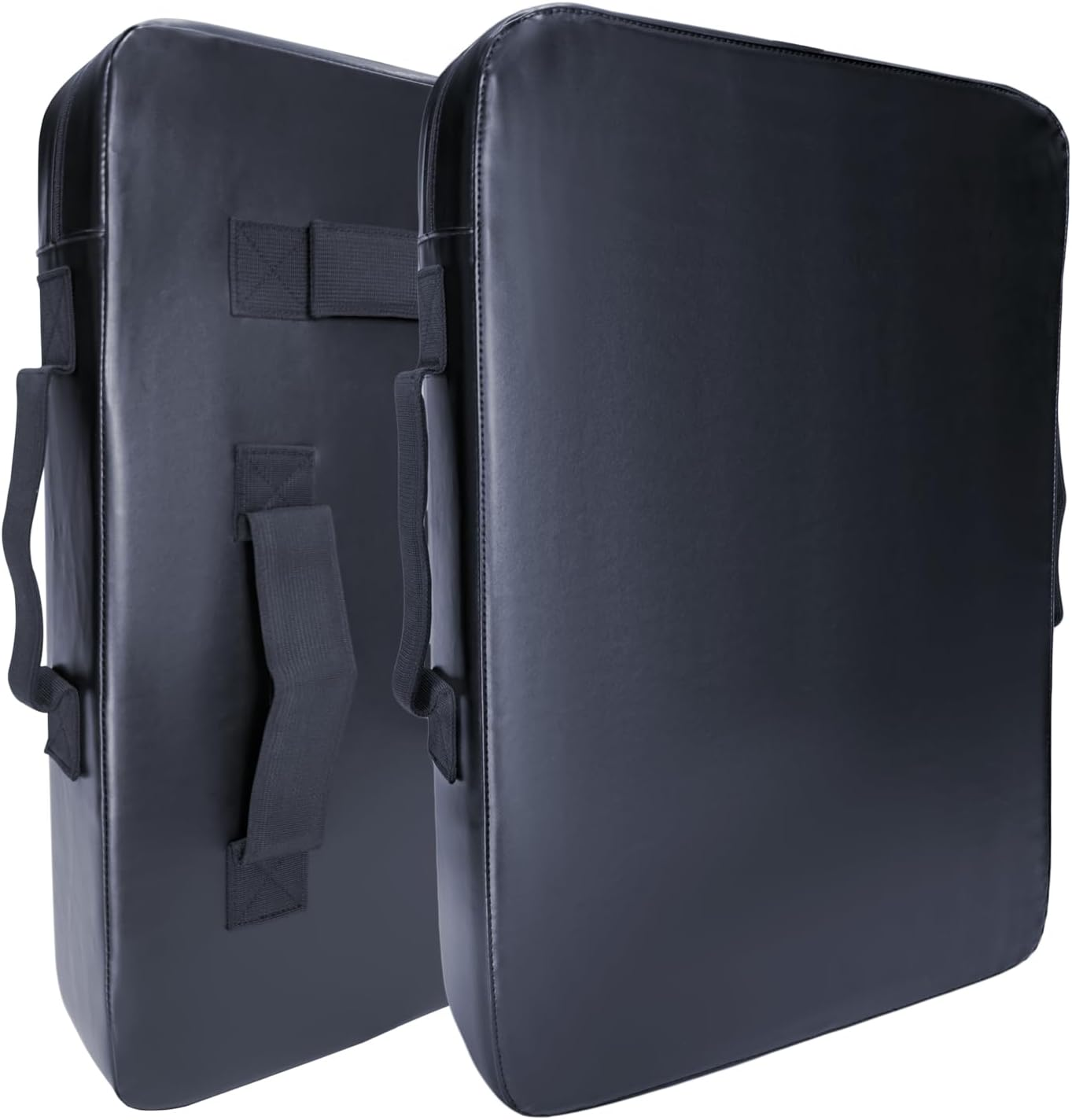
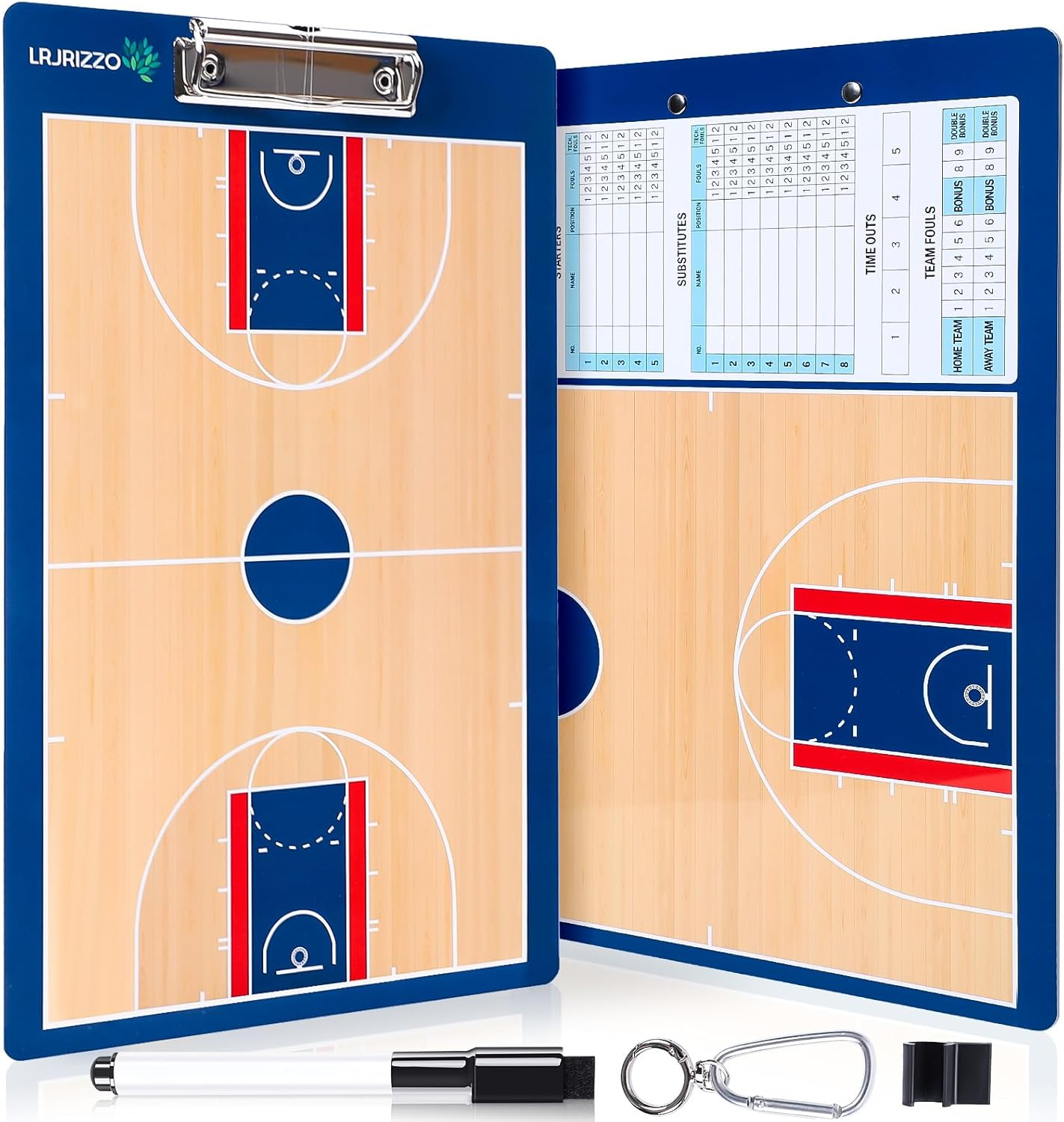
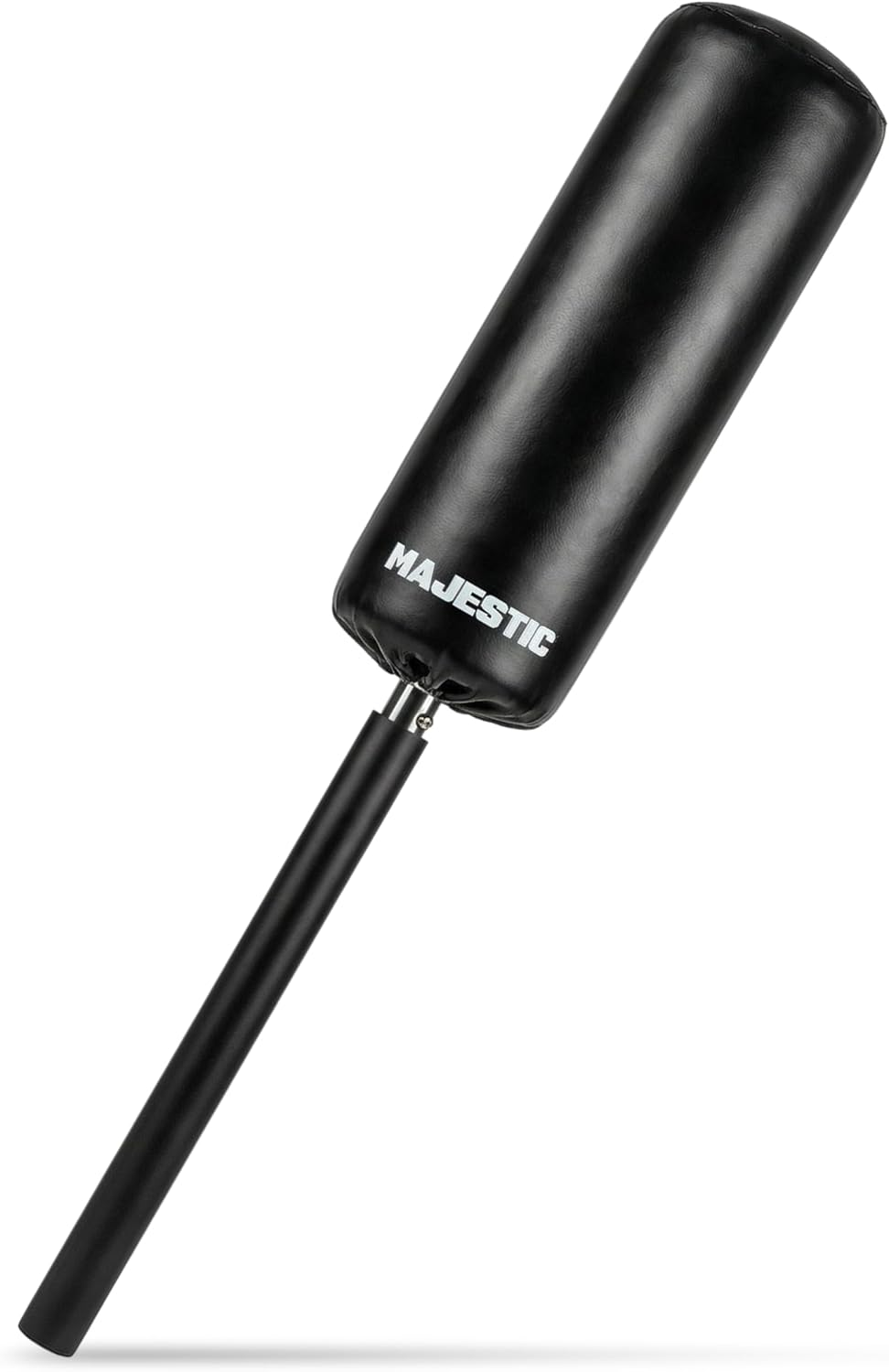
Basketball training blocking padTraining Pads Dry erase coaching clipboardClipboard Majestic Training Guard contact stickTraining Guard

Before Play 17

Read this first: the clock

Volumes I and II taught the floor and the words. This volume runs on time. Learn what the clocks and the foul count actually mean and every play in here gets easier to call.

Game clock vs. shot clock
The game clock decides the game; the shot clock (where used) decides each possession. High school shot clocks are adopted state by state — every play in this volume works with or without one.No shot clock in your state? Wherever a play says "late clock," read it as late in the game clock, or run your own internal 10-second count.
The bonus
Pile up team fouls and the other team shoots free throws on every foul, even off the ball. The exact count varies by level and rule set.Know the foul count before you call the foul game in Play 23. Ask the table crew — that's what they're there for.
Foul to give
When you're under the bonus threshold, you can spend a foul late in a possession to wreck the other team's set without giving up free throws.
Five-second counts
An inbounder has five seconds to pass. A closely-guarded ball handler can be counted, too.Play 17 is built around beating that count with structure, not panic.
Timeouts
A timeout buys you a set play and a calm huddle. In high school it does not advance the ball — that's an NBA rule. Plan your last-minute timeouts a quarter ahead.
Possession arrow
Held balls and most tie-ups alternate possession. Late in a close game, knowing which way the arrow points is worth a possession.
Dead ball
Any stoppage — out of bounds, foul, violation, timeout. Dead balls are when you substitute, call sets, and fix problems. Live-ball coaching is shouting; dead-ball coaching is teaching.
Possession math
Down 6 is two scores and a stop. Down 3 with the ball is a tie game. Up 3 late, a foul before the shot means the other team can score at most 2.Every play in Section B starts from this arithmetic.

Before Play 17

Read this second: situations

Four habits that turn the last four minutes into your minutes.

The 2-for-1
With about 45 seconds left in a quarter (shot-clock states), a quick shot now guarantees you the last shot too — two possessions to their one.
Free throws close games
Late-game basketball is a free-throw contest wearing a disguise. Your best ball handlers and best shooters finish games; your foul-prone big might not.
Hold vs. attack
Leading: shrink the game — fewer possessions, layups only. Trailing: stretch it — quick scores, clock stops, fouls if you must. Never play the middle.
Practice the endings
Ten minutes a week of "down 3, :30, our ball" beats an hour of it the night before a playoff game. The drill in every play below is a situation rehearsal.