The Coach's Vault · Volume I of III

The Coaches Playbook
& Schematics System

Category 01 — Offense · Sections A & B · Eight Plays

Every play animates. Press Run the play to watch it build one step at a time, Step to advance manually, or click any numbered step in the teaching list to jump straight to that moment. Every diagram also prints as a complete static play.

Pairs with the Complete Coach's Kit
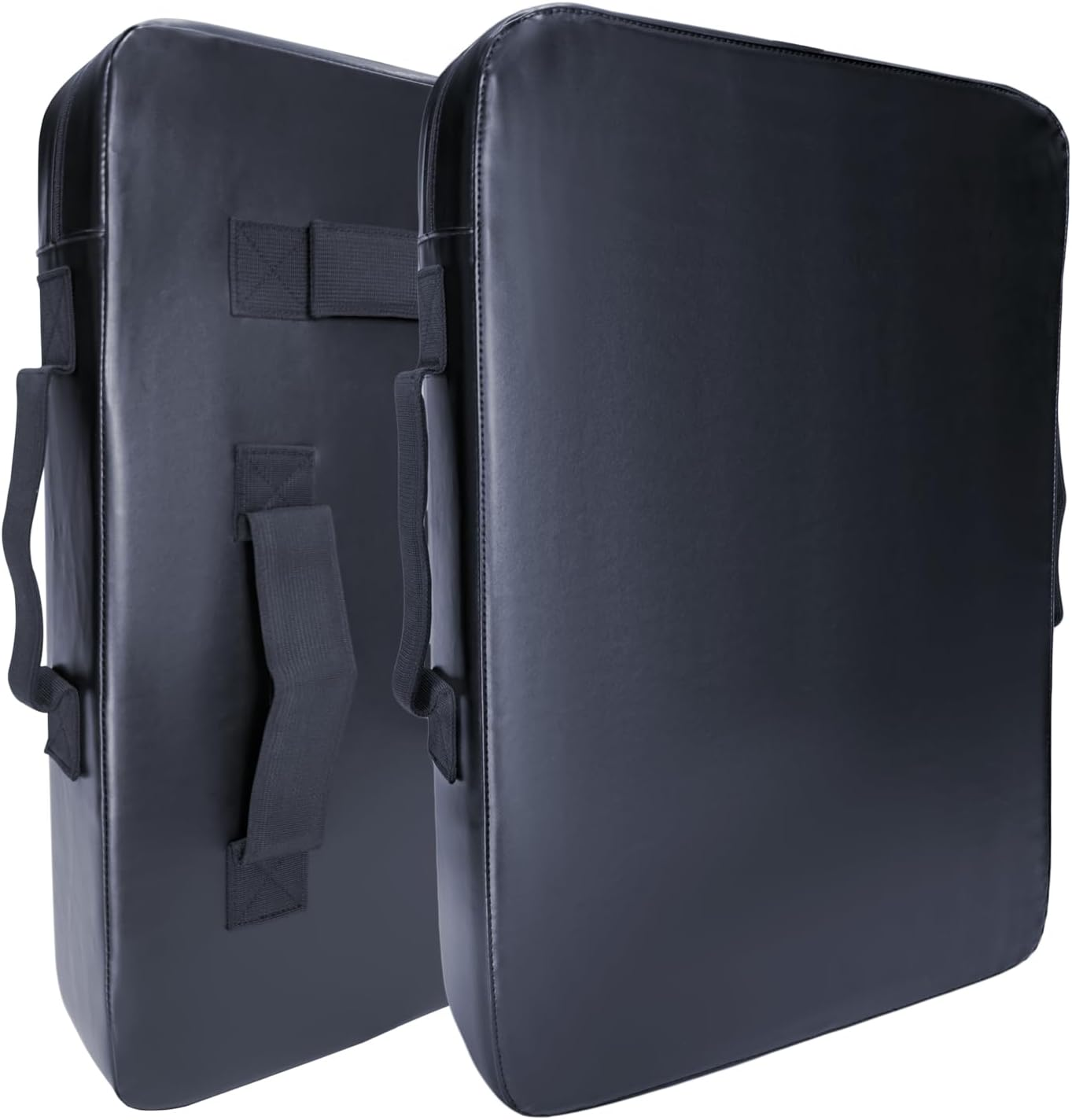
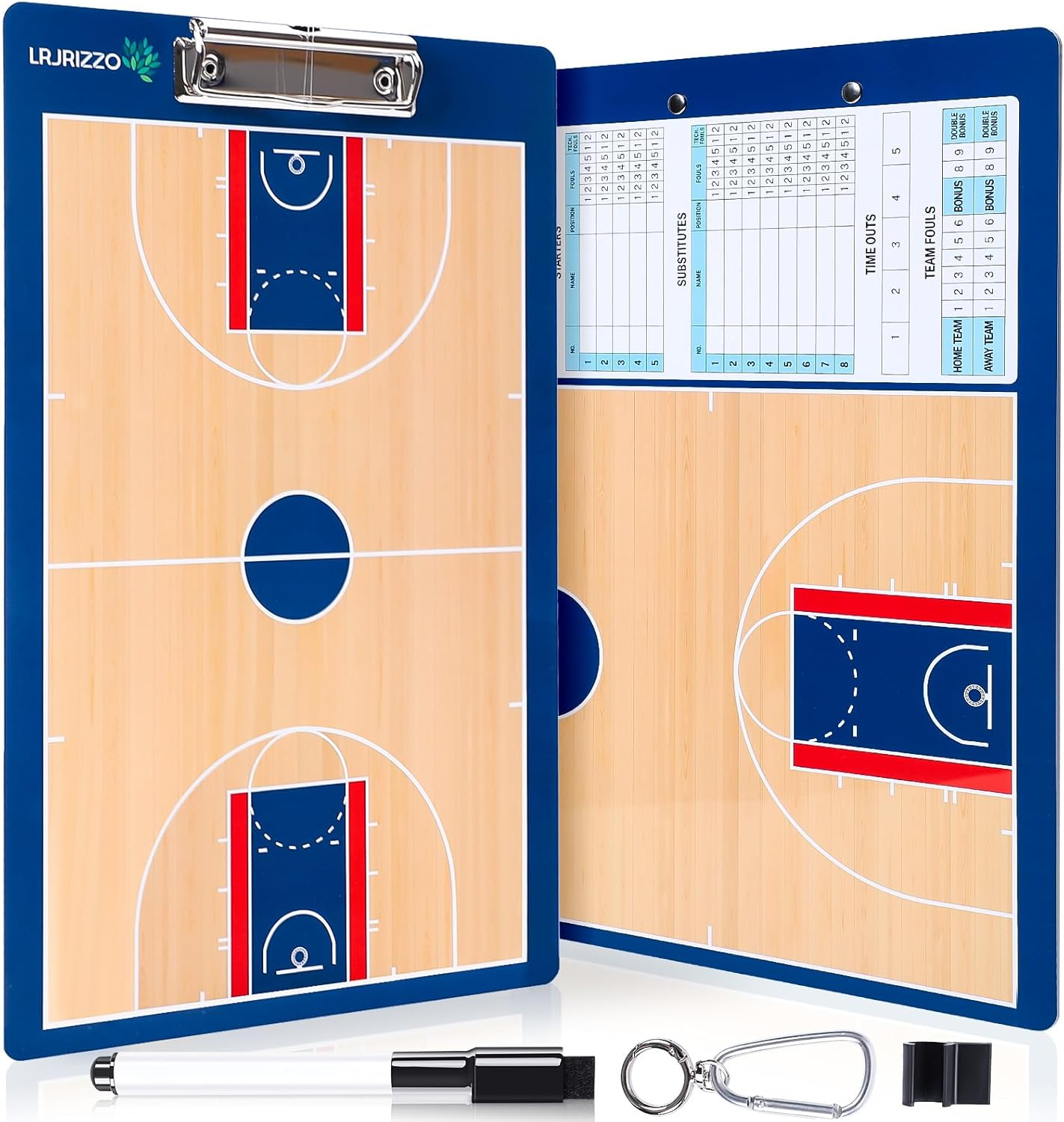
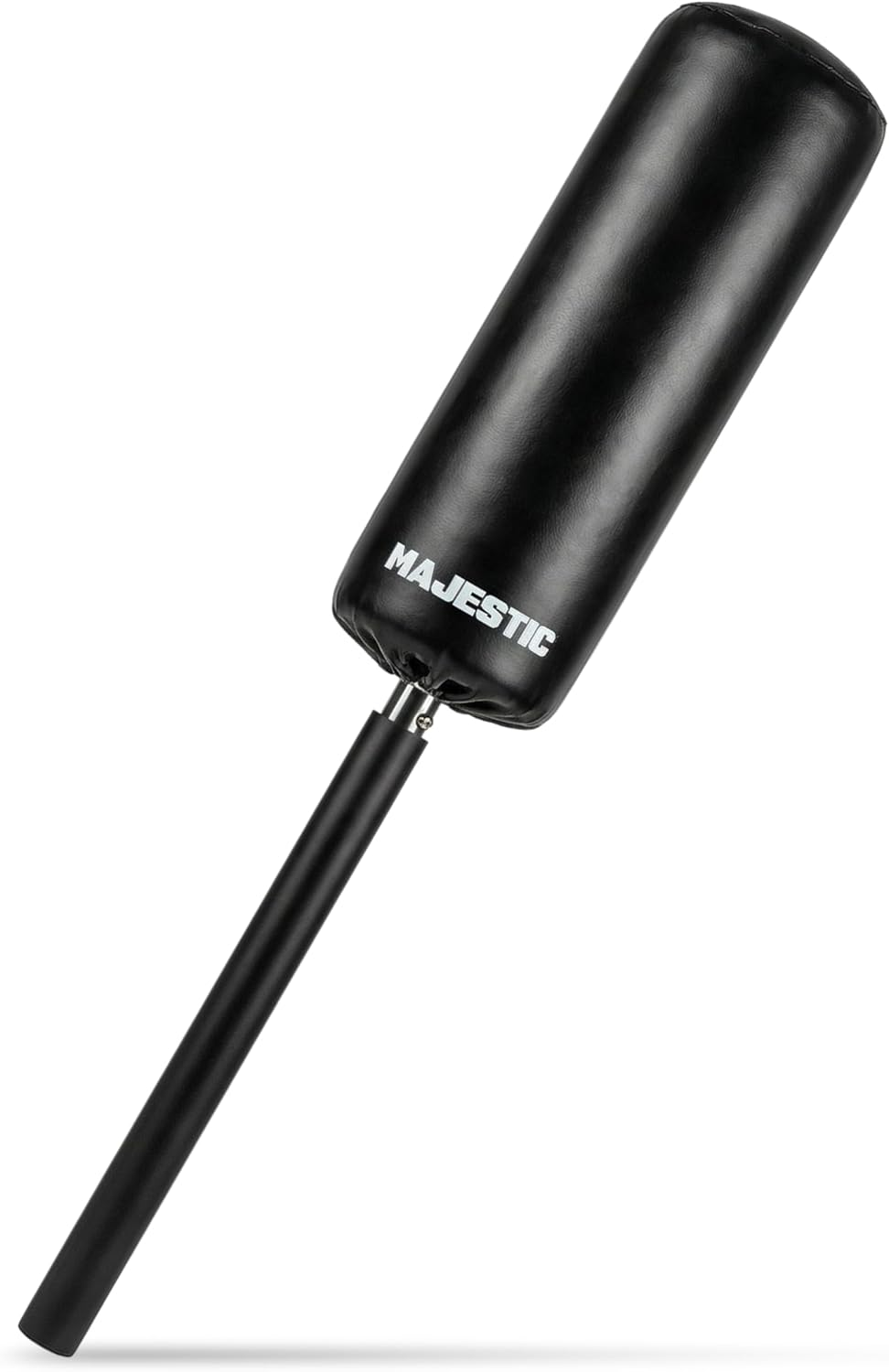
Basketball training blocking padTraining Pads Dry erase coaching clipboardClipboard Majestic Training Guard contact stickTraining Guard

Before Play 01

Read this first: the floor

Every play in this book is described using the same spots. Learn these and you can run any diagram in the system without a translator.

The half court — every spot named in this book
The Paint
The rectangle under the basket, 12 feet wide and 19 feet deep from baseline to free throw line. Also called the lane or the key.An offensive player can only stand in it for three seconds. Nearly every defensive rule in this book exists to protect it.
The Elbows
The two corners where the free throw line meets the edge of the paint.Best passing angle on the floor — a player there sees both sides and the rim.
The Blocks
The short marks on the lane line nearest the baseline, where players line up for free throws.Where post players work and rebounding position is won.
The Wings
Outside the three-point line, roughly level with the free throw line, both sides.Most offense starts here — a player can shoot, drive, or pass with equal ease.
The Corners
Behind the arc near the baseline, both sides.Shortest three on the floor and the hardest spot for a defense to help from.
Top of the Key
Straight out from the rim, above the free throw circle.Where most possessions begin and the ball handler can see all four teammates.

Strong side / weak side: the strong side is whichever half of the floor the ball is on. The weak side (or help side) is the other half.

Before Play 01

Read this second: the words

Nine terms. Every play in Sections A and B uses at least one.

Screen (a.k.a. Pick)
A player stops and stands still to block the path of a teammate's defender. The screener must be completely stationary at contact, with a wide base — still moving is a foul.
On-ball vs. Off-ball Screen
On-ball is set for the player holding the ball. Off-ball is set for a teammate elsewhere on the floor.
Roll
After screening, the screener pivots and cuts hard to the rim. The opposite choice is a pop — stepping back out for a shot.
Slip
The screener fakes the screen and cuts to the rim before contact, used when the defense jumps out early.
Backdoor Cut
When a defender overplays to deny a pass, the offensive player cuts sharply behind them toward the rim.
Give & Go
Pass, then immediately cut to the rim looking for it back. The oldest play in basketball and still one of the best.
Spacing
Keeping 12 to 15 feet between teammates so one defender can never guard two players.
Help Side
Defenders away from the ball sinking toward the paint to protect the rim, ready to rotate.
Tag
A weak-side defender briefly bumping a cutter — usually a roller — then recovering.

Bonus · Beyond the 24

Two principles that
outrank any play

These aren't plays and they aren't counted among the 24. They're the two habits that decide whether the plays in this book ever produce points. A team that runs all eight offensive plays badly and gets these two right will outscore a team that does the opposite.