The Coach's Vault · Volume II of III

The Coaches Playbook
& Schematics System

Category 02 — Defense · Sections A & B · Eight Plays

Same format as Volume I. Every diagram animates — press Run the play, use Step to advance manually, or click any numbered step to jump straight to it. Defenders are the circled X's; the offense is shown in gold. Every play also prints as a complete static diagram.

Pairs with the Complete Coach's Kit
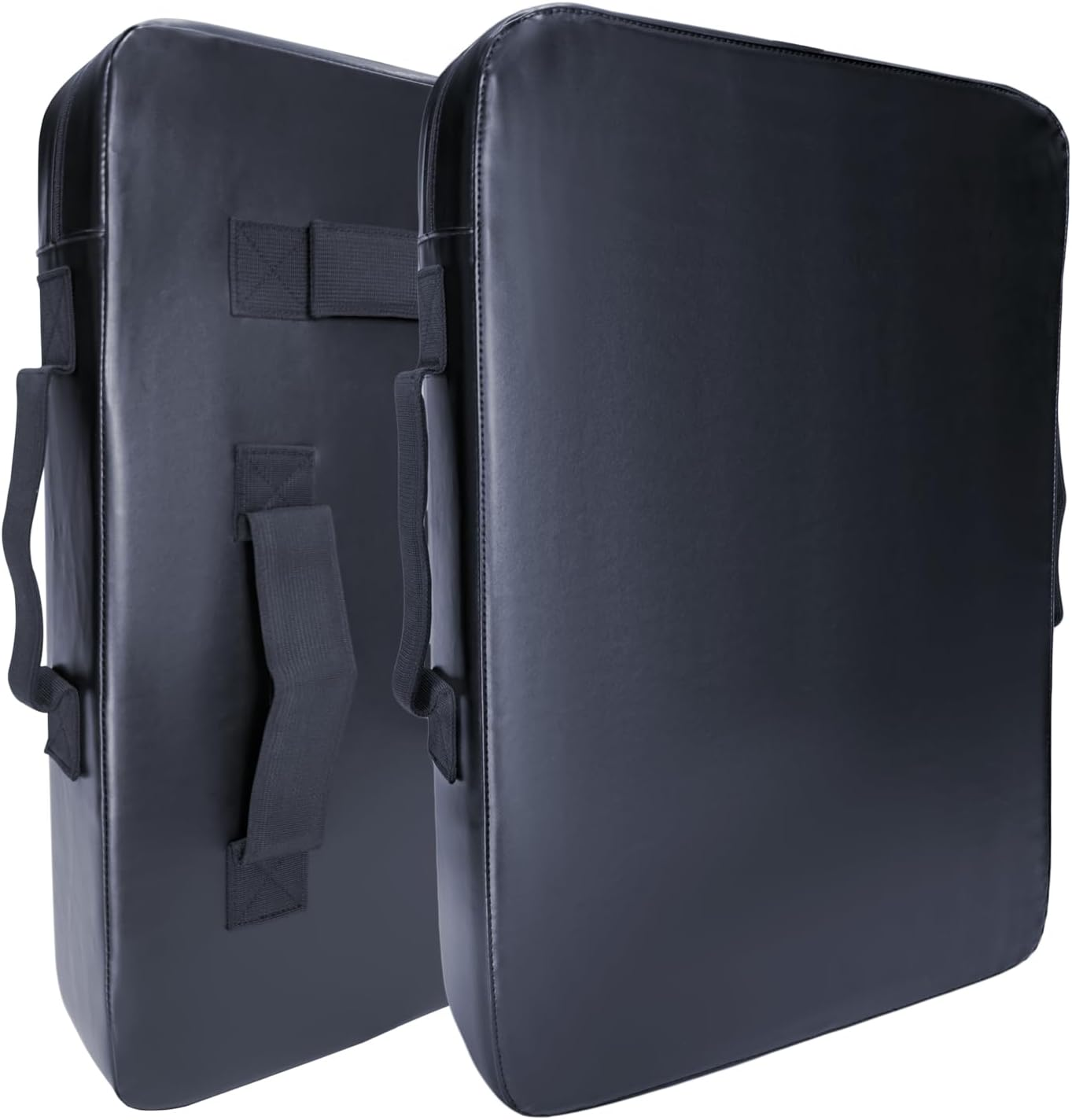
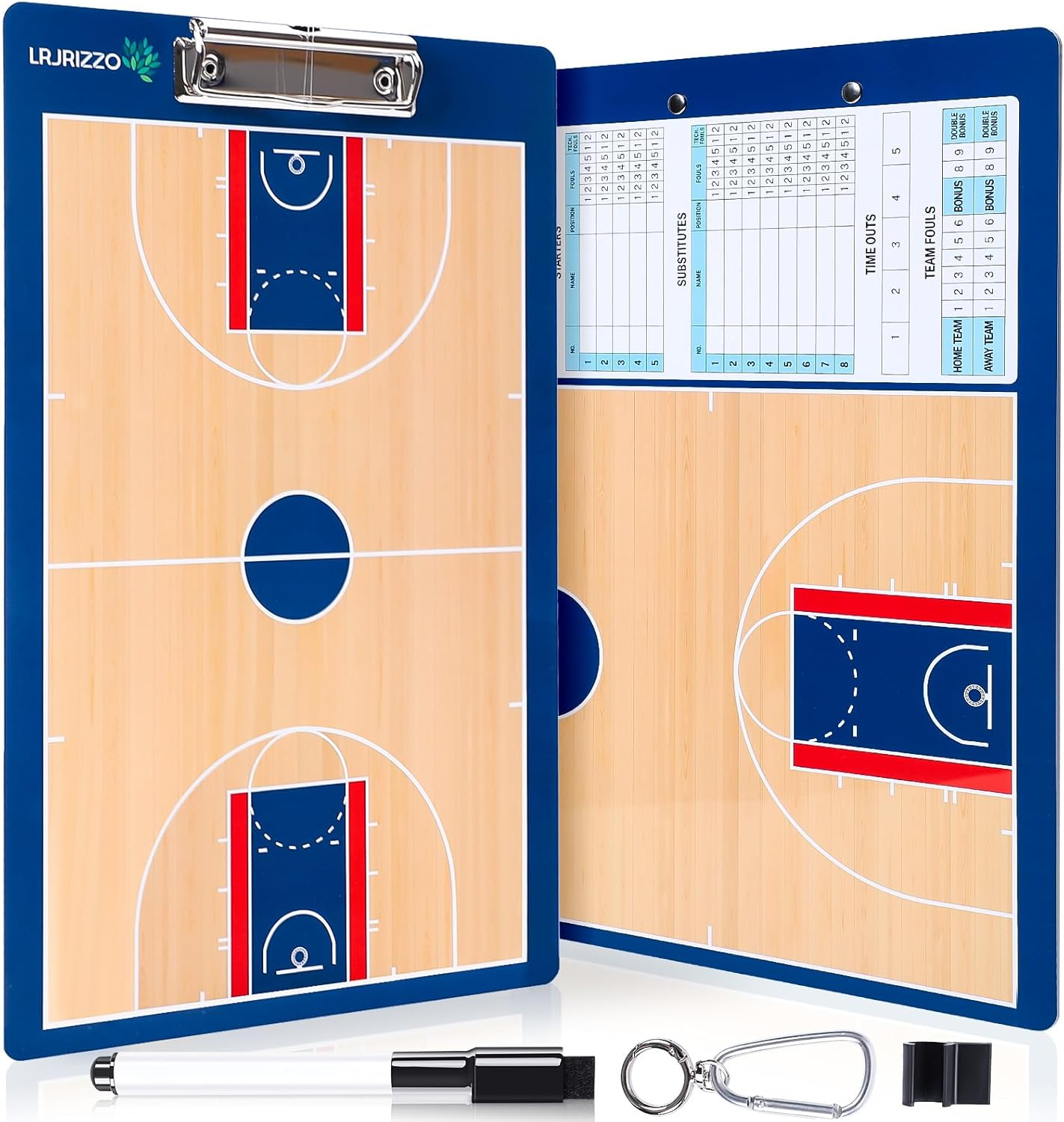
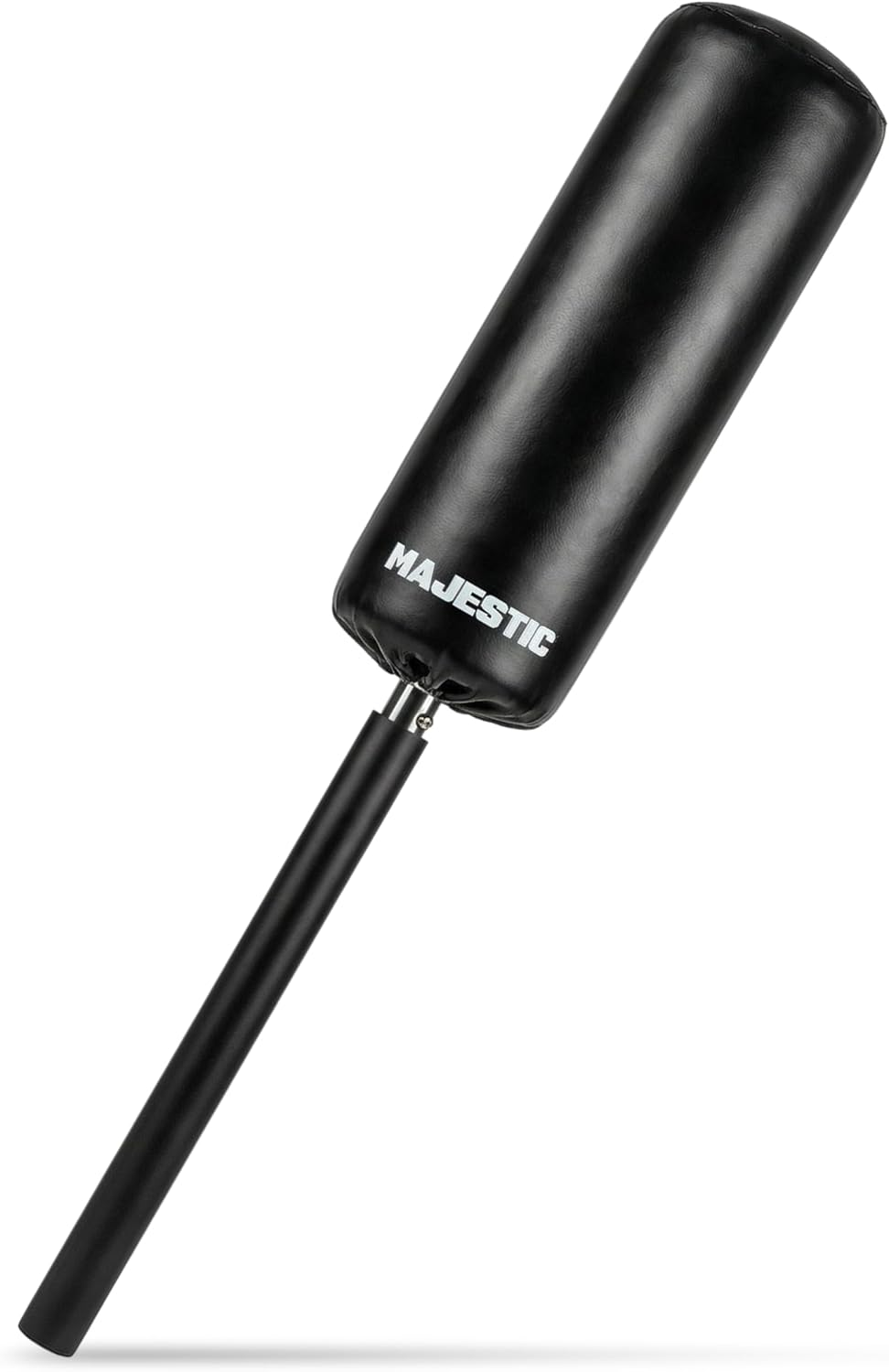
Basketball training blocking padTraining Pads Dry erase coaching clipboardClipboard Majestic Training Guard contact stickTraining Guard

Before Play 09

Read this first: the rules
that make defense legal

Offense is about what you can do. Defense is about what you're allowed to do. Every play in this volume depends on three rules, and a team that doesn't know them will foul its way out of every close game.

The half court — the same spots used in Volume I
Legal Guarding Position
To legally guard someone you must get to the spot first, with both feet on the floor and the front of your torso facing your opponent. Get there first and the spot is yours.Every player is entitled to a spot on the floor if they get there without illegal contact. Arriving late and making contact is your foul, every time.
The Principle of Verticality
Once you have legal guarding position you own the space directly above you — your vertical plane. You may jump straight up with your arms extended straight up and absorb contact without penalty.Lean forward, stick out an arm, hip or leg, or drift sideways into the shooter and you lose the protection. Arms at an angle instead of vertical is the difference between a blocked shot and two free throws.
What the offense can't do
An offensive player may not "clear out" or drive through your vertical plane, and gets no more protection than you do.Worth teaching your players out loud. Defenders who know they're allowed to hold their ground play far more aggressively than defenders who think every contact is on them.

Note on levels: verticality and legal guarding position are written into high school, college and pro rulebooks alike, but the tightness of the whistle varies enormously by level and by night. Teach the technique, then teach your players to read the officials in the first four minutes.

Before Play 09

Read this second: the words

Ball–You–Man
The basic off-ball position: you form a triangle where you can see both the ball and your own player at the same time. Lose sight of either and something gets past you.
Help Side (or Weak Side)
The half of the floor away from the ball. Defenders there sink toward the paint, ready to rotate to the rim.
One Pass Away / Two Passes Away
How far your player is from receiving the ball. One pass away means deny. Two passes away means sink into help position.
Closeout
Sprinting at a player who has just caught the ball, then breaking down into short choppy steps with a high hand so you can contest without getting driven past.
Trap
Two defenders converging on the ball at once. Also called a double team.
Trapping Zone
The areas where a ball handler most regrets losing their dribble: the corners, along the sidelines, and the half-court line.
Rotate
When one defender leaves their player to cover for a teammate, everyone behind them shifts to cover the gap that opens.
Box Out
Making contact with an opponent when a shot goes up and holding them behind you, wide base, forearms up, to win the rebound.